Our History
A Brief History of the A.M.E. Church
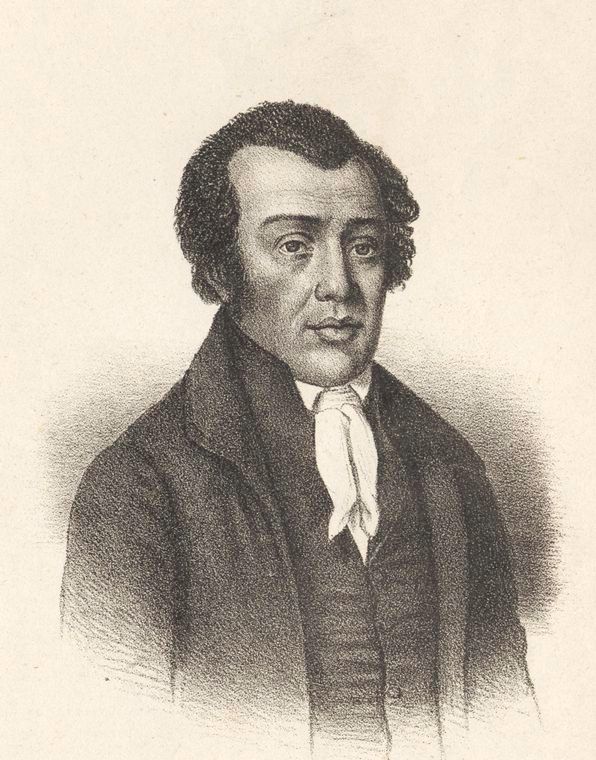
The AMEC grew out of the Free African Society (FAS) which Richard Allen,Absalom Jones, and others established in Philadelphia in 1787. When officials at St. George’s MEC pulled blacks off their knees while praying, FAS members realized just how far American Methodists would go to enforce racial
discrimination against people of African descent.
Hence, these members of St. George’s made plans to transform their mutual aid society into an African congregation.
Prior to the Civil War, the AMEC was mainly in the Northeast and Midwest; and remarkably, the slave states of Maryland, Kentucky, Missouri, Louisiana, and, for a few years, South Carolina. The denomination reached the Pacific Coast
by the early 1850’s.
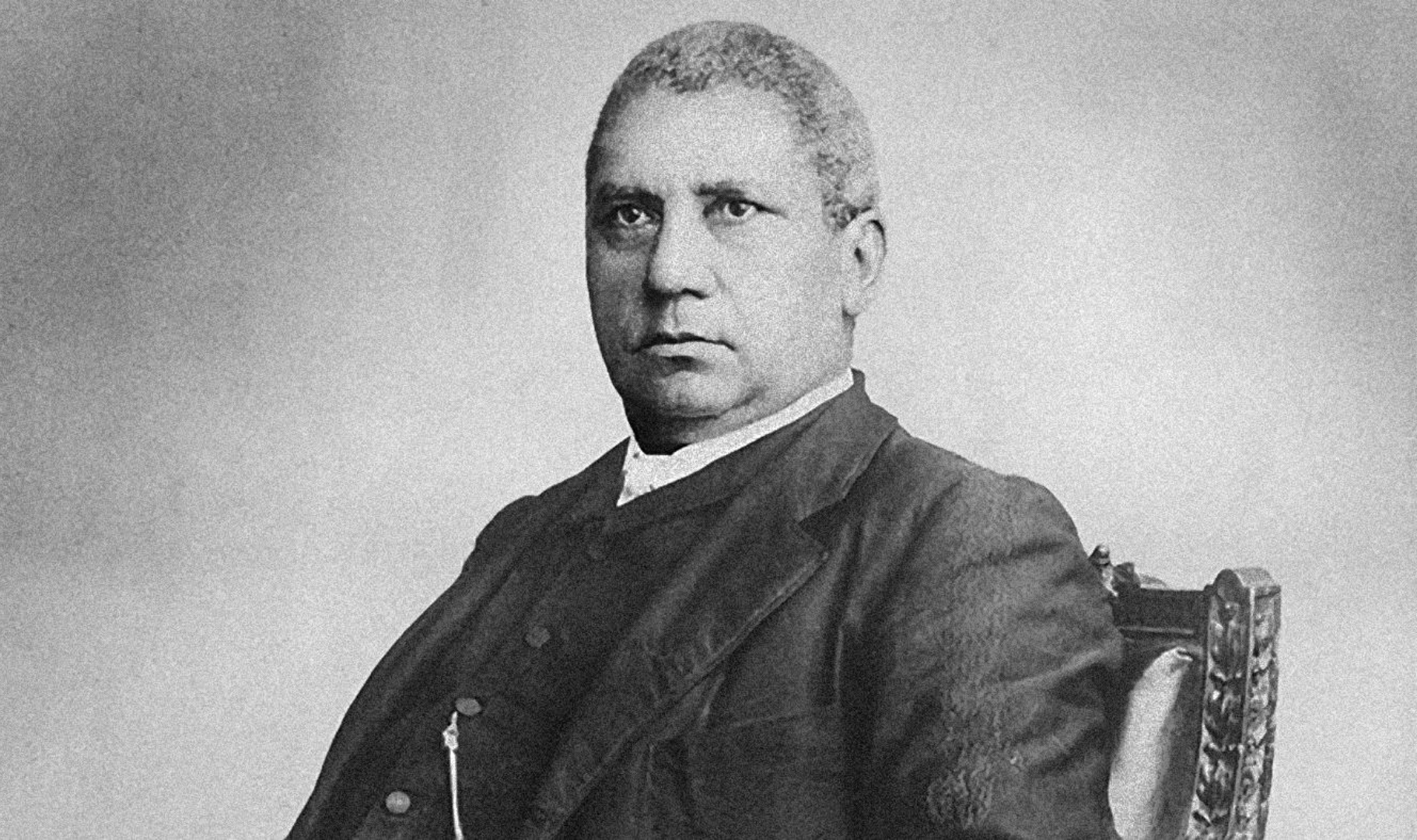
During the Civil War and Reconstruction, AME clergy moved into the states of the collapsing Confederacy to pull newly freed slaves into their denomination in South Carolina, Georgia, Florida, Alabama, Texas, and many other parts of the south. By 1880 AME membership reached 400,000. Bishop Henry M. Turner pushed African Methodism across the Atlantic into Liberia and Sierra Leone in 1891 and into South Africa in 1896.
Today, the A.M.E presence can be found in the U.S. and 39 countries across five continents, including Canada, the
Caribbean, Africa, South America, India, and Europe.
History of Greater St. James AME Church
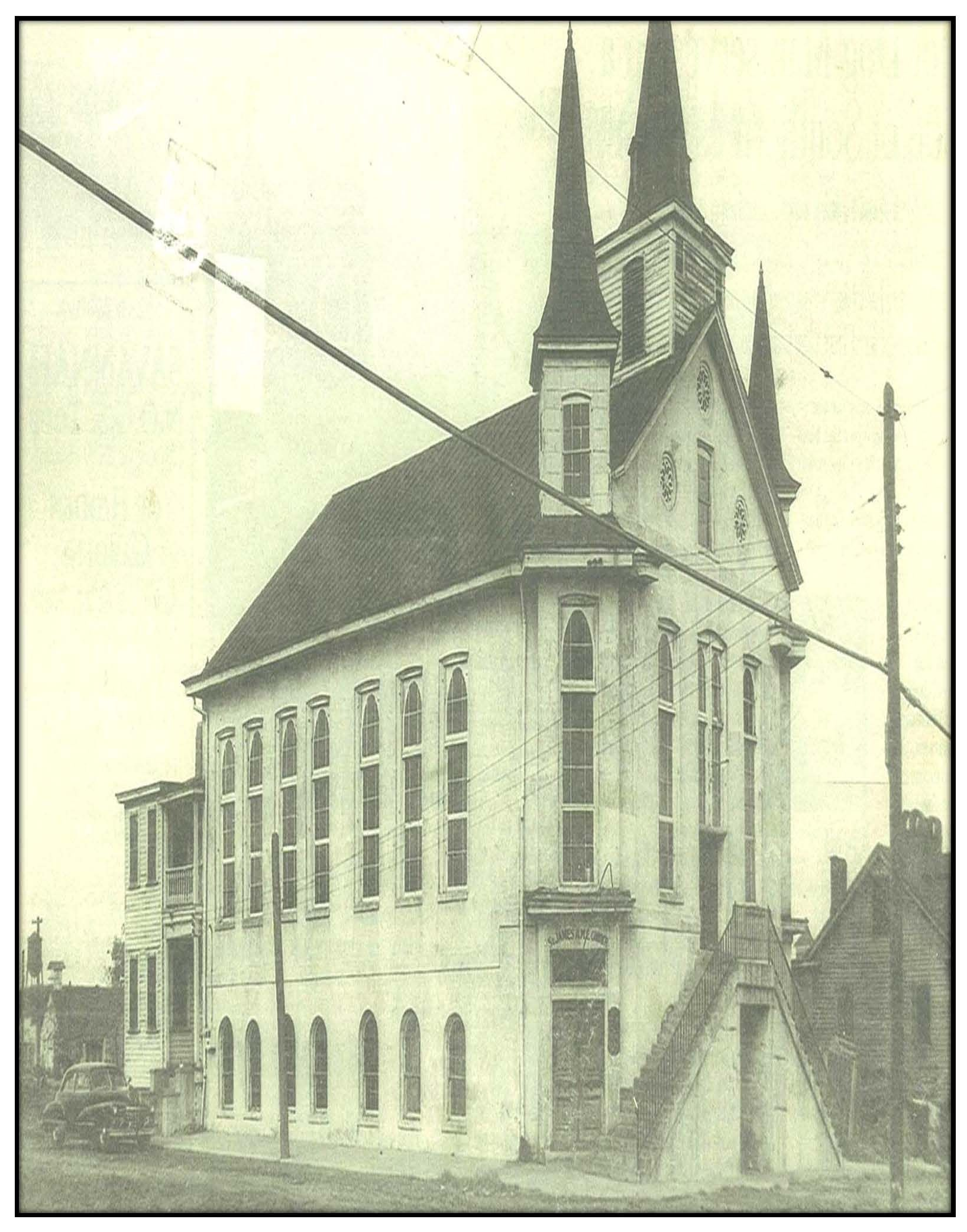
St. James AME Church was founded in 1865 by Bishop Henry McNeal Turner. It was originally named Greater St. James Tabernacle AME Church. The Pioneer members built their first church in a blacksmith shop in the Old Jones Field section of the “Old Fort”, between East Broad and Randolph Streets. As membership grew, the members built their first church at the corner of Randolph and Perry Street. It was a wooden frame building, measuring 60 x 46 feet with a seating capacity of 810. The new edifice was dedicated on Sunday, November 21, 1875 with great fanfare. Rev. Henry McNeal Turner, pastor at the time, stated that the building had been erected for the special benefit of the poor and indigent. In addition to religious services, the
edifice would be devoted to lectures, debates, speeches and the general diffusion of knowledge. St. James lived up to its role of edifying the people spiritually, physically, and intellectually. The church hosted educational symposiums, debates, and lectures inclusive of women presenters. St. James Tabernacle AME also housed a day school to accommodate students who didn’t attend the public schools of Savannah. Announcements of the school’s availability to the community ran in
The Colored Tribune weekly as early the February 26, 1876. St. James was considered the only place open to the community at all times for the general elevation of our people. When a vagrancy law of 1906 resulted in the unjust arrest of “negro” men and women in the city, Rev. J. A. Brockett, D.D. pastor of St. James held a mass meeting at the church to address the unfair treatment and counsel the people on what to do.
St. James Tabernacle continued to prove itself to be a beacon of light for the community just as Bishop Henry McNeal Turner did for the world when he played a part in establishing the AME church in the U. S. and internationally. His influence reached as far as England. As the story goes, when an opportunity arose to tell the Queen Mother of his goals and accomplishments for the advancement of the AME Church, he expressed the need of a church bell for St. James Tabernacle. As a result of that meeting, the Queen of England graciously donated a huge bronze
bell to Bishop Turner; had it transported to the United States and installed in the rafters of St. James Tabernacle AME Church. After 78 years of worship in a church they built with their own hands and with the help of the Lord, eminent domain forced the members of St. James Tabernacle from their home at the “Old Fort” to make way for a housing project in 1953. The St. James members temporarily joined the congregation of Bethel AME Church until their new church home was completed. The Lord, in his infinite wisdom, led Rev. S. C. Thornton and his members to make their new home in the old, abandoned Melody Theater at 632 E. Broad Street. The bell did not have a tower to house it in the new building, so it was placed in the hall lobby where it would remain for the next 40 years. Church members walked by the bell not knowing its history. After much praying, planning, and execution, on June 12, 1993, the St. James AME Congregation formally dedicated the Henry McNeal Turner Bell Tower and tolled the Greater St. James AME Church Bell for the first time
in 40 years.
St. James has been a place grounded in great history since 1865 and has led the Savannah community in many pioneering achievements and movements as well. Seventeen (17) pastors have had the honor of leading St. James AME throughout the years. All of them left an indelible mark on its history, the congregation and community. During the 2025 Georgia Annual Conference, Bishop Michael L. Mitchell appointed Rev. Dr. Byram D. McKinzie Sr., as the pastor. With his wife, Lady Latoya McKinzie, and the help of the Lord, they are leading the St. James family to even greater heights.
Visit the Church!
There is a place for you here, no matter who you are or where you came from. We hope you will join us if you are seeking a church where you can grow in your faith, deepen your love for God, and form lasting relationships with God.